Saucy Pasta Pairings

If a month is both Noodle Month and Sauce Month, surely the obvious thing is to write about which sauce goes with which pasta. But then I thought – “Wait, Pasta Month is October. What’s the difference between noodles and pasta?” So off I went to find out.

I can’t say I am much the wiser for  the effort. I assumed (for instinctive reasons rather than actual knowledge) that all pasta was noodles but not all noodles were pasta. Turns out I might be right – or it might be the other way around. It depends on where you live and who you’re talking to (and what site you believe most).

Bottom line for today though – I did confirm that posting pasta information would be relevant both during Noodle Month and Pasta Month. So I can proceed with my saucy plans for this post.
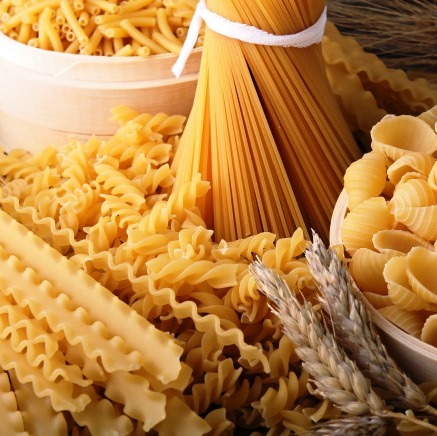
Pasta – dried pasta that is – is very much a staple in our house, as it is in a lot of people’s homes. It’s relatively cheap, comes in a variety of shapes and sizes, can be served in a wide variety of ways and keeps for ages and ages without going bad. We always have a few shapes on hand: linguine (which we prefer to spaghetti), fusilli, lasagna, penne. Why so many? Well, certain shapes handle certain sauces better than others and some hold up better than others in certain types of dishes.

So what shapes go with what? Here are some (but by no means all) of the combinations we use.

  • Fusilli – these twisty shapes hold onto sauce particularly well so you can use almost anything with them. Use it pasta bakes, oil-based sauces, cheese or cream sauces, meat sauce, pesto – even in pasta salads and soups.
  • Lasagna – the flat surface doesn’t hold slippery sauces well so skip the oil based options and stick with the heartier meat sauces and heavy cream or cheese sauce. It’s basically a structural element so it does VERY well in pasta bakes.
  • Linguine – like fusilli, this shape (a slightly heftier, flatter version of spaghetti) holds onto sauces of all types so use it with almost anything. I think it does especially well with seafood sauces.
  • Penne – these ribbed tubes have just the right nooks and crannies to keep lighter sauces on board but they aren’t really robust enough to handle the heavy meat sauces. This isn’t to say you can’t have them with a chunky sauce – but it would probably be best if it were a marinara or pomodoro as opposed to a Bolognese.
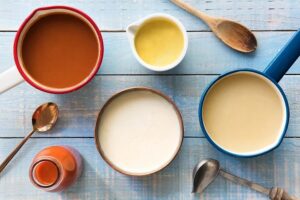

The Saucy Month of March

Sauces are the splendor and glory of French cooking, yet there is nothing serious
or mysterious about making them. These are indispensable to the home cook.

– Julia Child, Mastering the Art of French Cooking

I’ve been known to question whether certain foods or culinary items need the full day, week, or month set aside to commemorate them – March is, for example, Celery Month and I think we can all agree this is overkill. But March is also Sauce Month and sauce (as a concept and a culinary category not to mention the vast array of individual sauces) is not only a topic that would easily take a month to cover; it’s a topic that deserves it. A quick primer to make my point.

Continue reading “The Saucy Month of March”

Happy Peach Melba Day

Well, here we are – mid-January and talking about fruit normally in season from May to Sept in the US, July to September in the UK. Oh and topped in ice cream. Brrrrr.

But nevertheless, here we are on Peach Melba Day.

There are so many obvious ways to start this post. “Well, isn’t that just peachy?” or “Peachy keen!” or something like that. But as I say – they are so obvious. Why not start the whole thing by mentioning that Ms. Melba (for whom Peach Melba is named) was apparently an a-class pain in the neck. Continue reading “Happy Peach Melba Day”

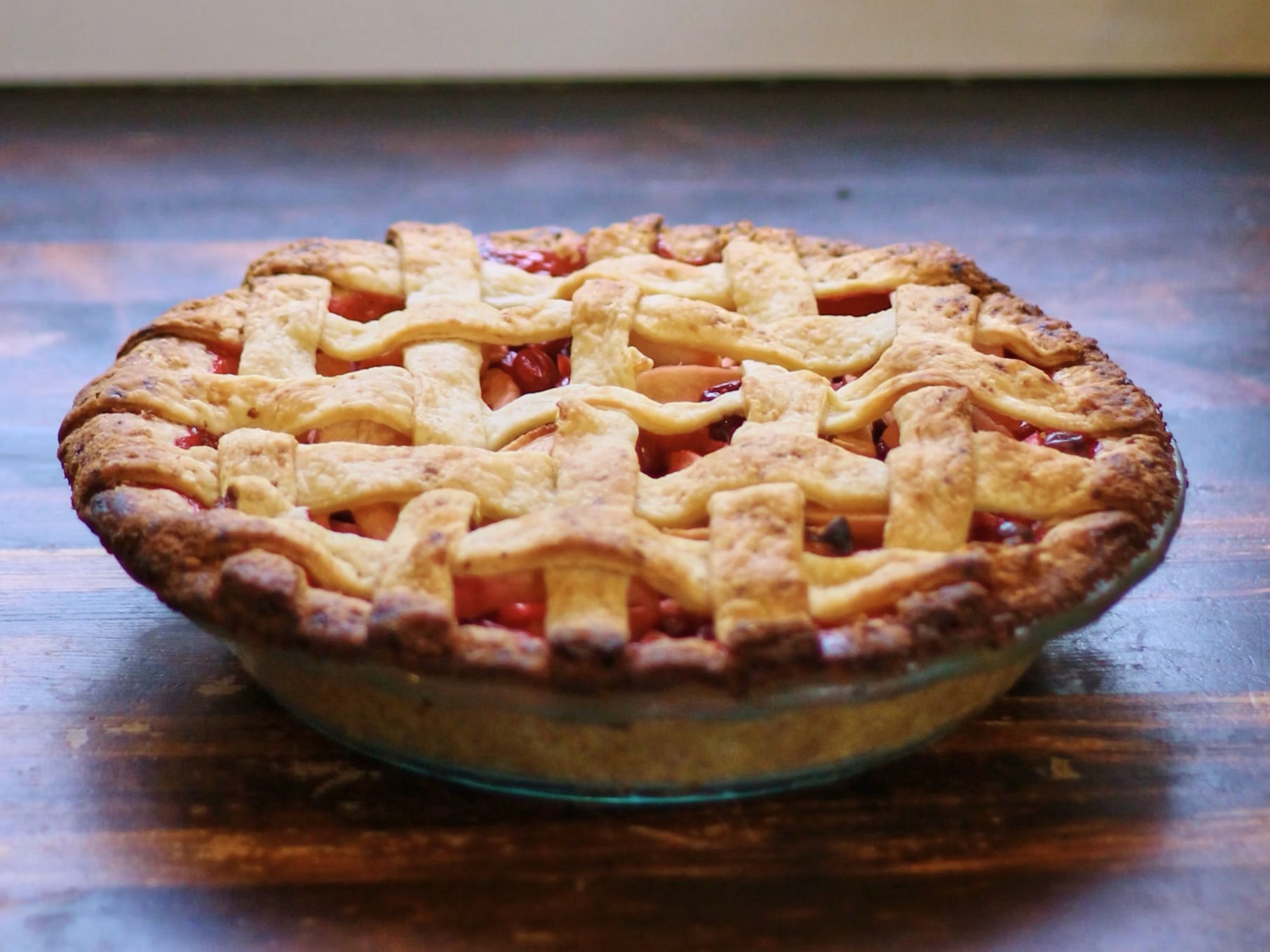
In the Pie of the Beholder

Today is Pie Day. Now, there are a lot of culinary observances during the year – and I note many of them myself. But this one particularly charms me. Why?

Because it was just some individual deciding to make it so. Not a committee. Not an official industry group. Just a guy named Charlie. See Back in the mid-70s, Charlie Papazian– nuclear engineer, teacher, founder of the Great American Beer Festival, and pie lover – declared to his students that his birthday, January 23, would ever more be known as National Pie Day. He just really loved pie.

Eventually it became THING enough that people noticed in 1986, the American Pie Council (did you even know there was such an entity?) took on sponsorship of Pie Day and that is where we are today.

What is your favorite type of pie? Cherry sits quite happily at the top of my list if it is my mother’s pie. But I am not opposed to a good apple pie (as long as the apples still have some structural integrity). Hmmm … I would appear to be a bit of a pie fussbudget. Never mind – cut me another slice!

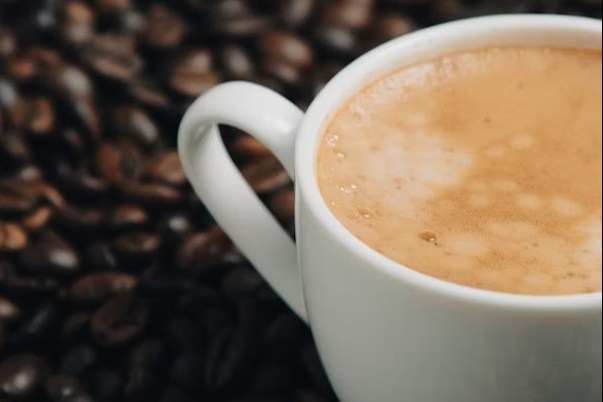
August is Coffee Month

If any drink deserved or required an entire month to do it justice, surely coffee is that drink. It starts the day, finishes up a meal, can wake you up or calm you down. It can be served hot or cold, plain or “enhanced” and while tea has it’s rituals, coffee has a culture.

But at heart is the drink itself and after many years of close study and enjoyment, I’ve reached a few conclusions and found the following things to be helpful:

Water. Use with COLD water. I don’t care whether it’s bottled or tap but it should be cold. It makes the resulting coffee much less bitter.

Keep It Clean. Any coffee maker, regardless of type or brand will work better and produce a better product if it is clean. So clean it.

Bothered by bitterness? Using the cold water to start will help a bit but try adding a pinch of salt to the coffee in the filter. A pinch, people. Not a lot. I know it sounds bizarre but it does work. I did it before stumbling across my current coffee which doesn’t need any such additive and believe me, no one is going to notice or get freaked out.

I know it looks hearty and hale but coffee does have a shelf life. To ensure a decent level of freshness, try getting it from a coffee purveyor and not a grocery store (who knows how old that grocery store stuff is?) and don’t keep more than a 2 months’ worth on hand. It will go stale at some point and you don’t want that point to be on the day you REALLY need a good, solid, happy cup to start your day.

Keep the coffee in an air-tight container and out of the sun. I know some people keep it in the freezer. I happen to keep mine in an opaque container in a cabinet. Either way, it’s out of the sun and that is the key. If I have any issue with the freezer/fridge thing – it is simply that the daily taking out and putting back in messes with the moisture content of the coffee and that can mess with the taste. But then, my father keeps his coffee in the freezer and still produces a very good cup-o-joe every day. So maybe I’m over thinking. I admit to sometimes doing that.

Getting the Right Grind. Listen, I know it sound even more obvious than using decent water but a lot of people get this wrong. Not all coffee makers and coffee making processes need the same grind level. Broadly speaking, if you are using a percolator then you want a coarse grind. Do you have an electric drip/manual drip or do you use a French press? You want a medium grind. Are you using an espresso machine? Get extra fine grind.